When choosing a temple lodging (shukubo) in Koyasan, the quickest way to make a decision is to base your choice on how deeply you want to participate in religious experiences—such as morning services and sutra copying—as well as ease of access to the major sacred sites. Unlike standard hotels, the history of each temple and the way you spend your time on its grounds greatly influence your overall stay satisfaction.
Located atop a mountain at an elevation of approximately 800 meters, Koyasan is renowned as a sacred site of Shingon Esoteric Buddhism with over 1,200 years of history. There are more than 50 shukubo across the mountain, each temple offering unique characteristics to welcome visitors. If you randomly pick a facility that does not match your travel purpose, you run the risk of missing out on the daily routines you wished to experience or spending unnecessary time traveling between locations.
To help you plan your stay for 2026, we have organized the key criteria for selecting the ideal shukubo to savor traditional shojin ryori (Buddhist vegetarian cuisine) and experience the atmosphere of this sacred mountain, along with specific lodging options.
What Is the Koyasan Shukubo Experience?
Shukubo originally began as lodging facilities for monks and pilgrims. Today, they widely welcome travelers from Japan and abroad, regardless of religion or sect.
What sets them apart from standard accommodations is the opportunity to experience the disciplined daily rhythm inherent to a Buddhist temple. Time away from everyday hustle and bustle is provided through activities such as early-morning prayer services in the main hall, a meditation method known as Ajikan, and shakyo (hand-copying Buddhist sutras character by character). Another major highlight is savoring shojin ryori, prepared without meat or fish using seasonal vegetables, legumes, and seaweed.
For international travelers visiting Japan, it has firmly established itself as a precious cultural experience where one can directly encounter traditional Japanese living styles, including resting and living in tatami-mat rooms.
Major Spots to Experience in the Koyasan Area
The greatest advantage of staying at a shukubo is the ability to walk to important cultural properties and sacred sites scattered throughout the mountain starting early in the morning. Major highlights include the following:
Okunoin
The foremost sacred site in Koyasan, where Kobo Daishi (Kukai) entered eternal meditation (nyujo). Surrounded by a grove of cedar trees hundreds of years old, the approximately 2 km approach is lined with over 200,000 tombstones and memorial monuments, allowing you to experience paying respects at Kobo Daishi Gobyo (the Mausoleum of Kobo Daishi) in profound tranquility.
Danjo Garan
The fundamental monastic complex of Shingon Esoteric Buddhism, where Kobo Daishi first began construction upon founding Koyasan. You can view a magnificent group of architectural structures that embody the world of the three-dimensional mandala, including the eye-catching, vermilion Konpon Daito pagoda standing approximately 48.5 meters tall, and the Kondo (Main Hall) where major rituals are held.
Sohonzan Kongobuji
The head temple of Koyasan Shingon Buddhism and the central hub of faith and temple administration on the mountain. Visitors can thoroughly appreciate the Banryutei, one of the largest rock gardens in Japan, as well as the main hall adorned with magnificent painted sliding screens (fusuma-e) created by Kano school masters.
Koyasan Reihokan Museum
A museum that houses and displays Buddhist statues, paintings, and decorative art objects, including National Treasures and Important Cultural Properties handed down in Koyasan. Masterpieces of esoteric Buddhist art and historical documents spanning 1,200 years can be viewed up close, allowing visitors to learn about Koyasan's profound cultural heritage all in one place.
Key Criteria for Choosing a Shukubo Without Hesitation
To narrow down the single temple that best fits your needs from among the many shukubo in Koyasan, checking the following three criteria will help you decide with confidence.
1. Available Experience Programs
While morning services are available at almost all shukubo, the availability of observing Goma fire rituals, Ajikan (meditation), and shakyo (sutra copying) varies by temple. It is best to clarify in advance what kind of Buddhist rituals you would like to experience.
2. Serving Style and Focus of Shojin Ryori
The shojin ryori served for dinner and breakfast features temple-specific menus utilizing traditional ingredients such as Koya-dofu (freeze-dried tofu) and sesame tofu. Because serving styles (whether served in your guest room or in a large dining hall) and the number/composition of dishes vary by plan, prior verification is essential.
3. Proximity to Major Pilgrimage Sites
While local buses operate within Koyasan, there are many situations where you will travel on foot. Depending on whether you want a base near Ichinohashi at the entrance to the Okunoin approach, or wish to stay near Danjo Garan and Kongobuji, the ideal location for your shukubo will differ.
Koyasan Shukubo Quick Comparison
A detailed comparison is provided below.
| Item | Price | Reviews | Shop |
|---|---|---|---|
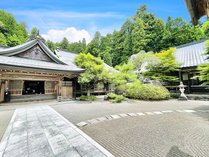 Koyasan Shukubo Hojoin (高野山 宿坊 宝城院 (和歌山県))
|
Check prices on the booking page | No reviews | Jalan.net |
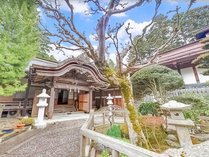 Koyasan Shukubo Daimyooin (高野山 宿坊 大明王院 (和歌山県))
|
Check prices on the booking page | No reviews | Jalan.net |
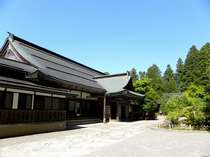 Koyasan Jimyoin (高野山 持明院 (和歌山県))
|
Check prices on the booking page | No reviews | Jalan.net |
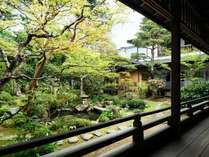 Koyasan Zofukuin (高野山 増福院 (和歌山県))
|
Check prices on the booking page | No reviews | Jalan.net |
*The information listed is partner data as of the time of article generation. Prices and availability are subject to change; please check the latest information on the linked pages.
4 Recommended Shukubo Selections
Here are four shukubo that are easy to consider according to your purpose and stay style. Because prices may fluctuate, please check the official page for the latest information when booking or making a purchase.
If you want to spend quiet time as a base for sacred site pilgrimages: Hojoin
This shukubo is suitable for those who prioritize visiting various sites across the mountain, such as Okunoin and Kongobuji, and wish to spend a tranquil night in a calm setting.
Located in the central part of Koyasan, it allows you to stay within the disciplined atmosphere unique to a historic temple. By participating in the morning service, you can begin your day surrounded by a solemn air distinct from everyday life.
If you want to secure efficient pilgrimage routes while composing your mind in serenity, this shukubo is a solid choice.
・Price: Check required (listed on booking page) ・Reviews: No reviews (confirmed value) ・Provider: Jalan.net
Check Koyasan Shukubo Hojoin on Jalan.net
If you value traditional temple ambiance and morning rituals: Daimyooin
This temple is suitable for those who want a thorough experience of traditional morning services and shojin ryori within an authentic temple setting.
At Daimyooin, you can enjoy an accommodation experience in a solemn environment detached from everyday life. Time spent in a tatami-floored Japanese-style room also provides an opportunity to directly feel Japan's traditional living culture.
It is recommended for travelers who wish to attend sutra chanting in the clear morning air and welcome a peaceful Koyasan morning.
・Price: Check required (listed on booking page) ・Reviews: No reviews (confirmed value) ・Provider: Jalan.net
Check Koyasan Shukubo Daimyooin on Jalan.net
If you want to experience cultural depth such as gardens and Buddhist art: Jimyoin
This lodging is suited for those who wish to savor the atmosphere of temple grounds and the charm of historic architecture for a culturally enriching stay.
Jimyoin is a shukubo with expansive grounds and a venerable history, featuring gardens that display diverse seasonal expressions and tranquil guest room spaces. The shojin ryori served also welcomes visitors with meticulous preparation in accordance with tradition.
If you want to deeply enjoy not only strolling around the mountain but also the time spent within the shukubo itself, this temple is ideal.
・Price: Check required (listed on booking page) ・Reviews: No reviews (confirmed value) ・Provider: Jalan.net
Check Koyasan Jimyoin on Jalan.net
If you want to self-reflect in the silence of a historic temple: Zofukuin
This temple is suitable for travelers who wish to leave busy areas behind and concentrate on sutra copying or meditation in a peaceful temple setting.
Zofukuin is a shukubo characterized by a calm atmosphere that conveys ancient history into the present day. Avoiding peak hours crowded with worshippers, you can focus on the leisurely passage of time within the temple lodging.
If you are looking for a serene environment to reset your mind and body, a stay at Zofukuin fits perfectly.
・Price: Check required (listed on booking page) ・Reviews: No reviews (confirmed value) ・Provider: Jalan.net
Check Koyasan Zofukuin on Jalan.net
Benefits of Staying at a Shukubo
Staying at a shukubo offers numerous unique values that cannot be obtained at standard resort or business hotels.
Experiencing an Extraordinary Solemnity in Morning Services
Participating in Gongyo (morning service) held early in the main hall is the greatest highlight of a shukubo stay. In the crisp, cold morning air, the chanting voices of the monks and the fragrance of incense fill the hall. The time spent offering incense and joining hands in prayer before the Buddhist altar brings spiritual depth that cannot be gained simply by touring sightseeing spots. The very act of waking up early and composing oneself leaves a lasting impression on your travel memories.
Body-Friendly Traditional Shojin Ryori
Prepared entirely without animal products such as meat, fish, and eggs, or pungent vegetables known as gokun (such as garlic and alliums), shojin ryori is a traditional diet based on the Buddhist precept against killing living beings. Built upon dashi broth carefully drawn from kelp and dried shiitake mushrooms, specialties of Koyasan such as sesame tofu and Koya-dofu are beautifully served alongside seasonal root vegetables. Because it contains no excessive oils, it places little burden on the digestive system and works to restore a body fatigued from travel and sightseeing from the inside out. Both its visual elegance and nourishing flavors make it an exceptionally refined food culture experience.
Special Nights and Early Mornings Wrapped in Sacred Serenity
Once tour buses and day-trippers depart, Koyasan transforms completely from daytime, becoming enveloped in deep silence. Walking the approaches after dusk or early in the morning allows you to directly feel the original presence of this sacred land where prayers have been offered for 1,200 years. Strolls during these exclusive times—such as the Okunoin approach at night or Danjo Garan in the early morning—are privileges granted only to overnight guests.
Immersion in Traditional Japanese Lifestyle
You can directly experience traditional Japanese living, taking off your shoes at the entrance and resting on futon bedding laid out in tatami rooms. The wooden architecture and spaces partitioned by fusuma sliding doors and shoji paper screens provide a living experience completely different from Western-style hotels. Spending a night surrounded by historic fittings and furnishings offers an invaluable opportunity to deepen your understanding of Japanese culture.
Drawbacks and Precautions When Staying
Because shukubo are facilities where temples—which are fundamentally places of faith and practice—welcome visitors, expecting services equivalent to a standard hotel may cause confusion.
Early Curfews and Lights-Out Times
At many shukubo, curfews and lights-out times are set around 21:00 for crime prevention and temple regulations. Late-night outings and eating or drinking are not permitted, so spending quiet time in your room after dinner is standard.
Limits on Soundproofing and Privacy
Due to traditional wooden construction, some shukubo have room partitions made of fusuma or shoji screens. Voices from adjacent rooms and footsteps can easily echo, requiring ample consideration regarding loud conversations and nighttime noise. Bringing earplugs is recommended for those sensitive to sound.
Baths and Toilets May Be Shared
Many plans do not include private baths or toilets inside guest rooms. Using public baths and shared toilets is common, so if you are uncomfortable with shared facilities, you must carefully verify facility specifications when booking.
Recommended for the Following Travelers
Please choose the optimal shukubo according to your travel purpose and priorities.
Those who prioritize pilgrimage routes to major spots and want to tour efficiently
If you prioritize access to Danjo Garan, Kongobuji, and Okunoin, a shukubo located in the central area of the mountain is ideal.
Check Koyasan Shukubo Hojoin on Jalan.net
Those who want to immerse themselves deeply in traditional temple culture through morning services and shojin ryori
Suitable for those who want to thoroughly experience the disciplined practices unique to temples and stays in traditional Japanese spaces.
Check Koyasan Shukubo Daimyooin on Jalan.net
Those who want to leisurely enjoy the historic atmosphere of temple grounds and the beauty of gardens
Recommended for travelers who value the time spent inside the shukubo and wish to calm their minds through viewing cultural assets and gardens.
Check Koyasan Jimyoin on Jalan.net
Those who want to face themselves in a tranquil environment away from the bustle
Suitable for those who want to concentrate on sutra copying or meditation in a quiet space and release themselves from daily stress.
Check Koyasan Zofukuin on Jalan.net
Frequently Asked Questions (FAQ)
Q1. Can non-Buddhists participate in morning services when staying at a shukubo?
Anyone can participate regardless of sect, nationality, or religion. There is no need to worry, as the monks will provide guidance on etiquette.
Q2. Can I use the public baths if I have tattoos?
Policies differ depending on the facility. Some places require covering them with stickers, while others offer private bath time slots; therefore, checking with the lodging in advance is recommended.
Q3. How cold does Koyasan get in autumn and winter?
Because it is located at an altitude of approximately 800 meters, the temperature is about 5°C to 10°C lower than in the lowlands. In particular, from late October onward, early mornings and nights can drop close to below freezing on some days, making warm clothing necessary.
Q4. Can I use a credit card for payments at the shukubo?
Advance payment via booking websites is the most reliable method. For additional on-site settlements, some temples still accept cash only, so having spare cash ready is safe.
Summary
A shukubo stay in Koyasan is a special opportunity that goes beyond mere accommodation to deeply experience Japanese spiritual culture and traditional lifestyle.
Bookings tend to concentrate particularly in autumn from late October to November when autumn foliage is at its peak, as well as during the pleasant spring season. According to your desired activities and location preferences, check room availability on the booking pages early to proceed with your travel plans.