When planning a pilgrimage to Dewa Sanzan or a stay around Mt. Haguro, the most rational approach to choosing accommodation is to base your decision on your pilgrimage base and overall travel purpose. If you prioritize traditional cultural experiences at a shukubo (pilgrim lodging), choose an inn in the monzen-machi (temple town) area; if you prioritize the surrounding natural environment and modern facilities, selecting an accommodation in the Haguro Plateau area will lead to a comfortable stay tailored to your needs.
For travel planning in 2026, when journeying through Dewa Sanzan (Mt. Haguro, Mt. Gassan, and Mt. Yudono)—renowned as sacred sites of mountain worship—the choice of lodging directly impacts your travel efficiency and overall trip quality. The Toge district, situated at the foot of Mt. Haguro, has long been home to a cluster of shukubo that functioned as residences for yamabushi (mountain ascetics), and they continue to welcome pilgrims and general travelers today. On the other hand, accommodations with distinct characteristics also exist in the highland area. Here, we compare the locations and features of each lodging option to provide the necessary criteria for choosing the best stay for your itinerary.
What Kind of Accommodations Are the Shukubo of Dewa Sanzan and Mt. Haguro?
Located in Yamagata Prefecture, Dewa Sanzan is known as a center of mountain worship where travelers can experience a "journey of rebirth" by visiting the three sacred peaks: Mt. Haguro (representing the present), Mt. Gassan (the past), and Mt. Yudono (the future). In the Toge district at the foot of Mt. Haguro, a monzen-machi featuring dozens of shukubo that have historically provided lodging and prayers for pilgrims has been formed.
Originally, shukubo were residences for Shugendo yamabushi and facilities designed to accommodate "ko" (pilgrim groups) visiting from across Japan. Today, they widely welcome not only religious pilgrims but also general tourists and international travelers interested in Japanese culture and spiritual heritage. Unlike standard hotels or resorts, shukubo feature sacred spaces with dedicated altars, serve traditional shojin ryori (Buddhist vegetarian cuisine), and boast historic architectural styles, making the preservation of an environment where traditional Japanese daily culture and religious devotion coexist their greatest defining characteristic.
Unlike the standardized services of hotel chains, each shukubo and lodging facility offers different hospitality setups and experiences. Staying in the Dewa Sanzan area is not merely securing a place to sleep; it provides an opportunity to directly experience the local mountain worship history and lifestyle culture firsthand.
What You Can Experience in the Dewa Sanzan Area
The Dewa Sanzan region is dotted with unique spiritual spots where history and nature merge seamlessly. Here are the representative sites you should know when planning your pilgrimage.
National Treasure: Mt. Haguro Five-Story Pagoda
Passing through the Zuishinmon Gate, the entrance to the Mt. Haguro approach, and walking down the stone staircase lined with centuries-old cedar trees brings you to this majestic wooden structure. Considered the oldest five-story pagoda in the Tohoku region, it is distinguished by its refined unpainted plain wood construction built entirely without nails. Close to the pagoda stands the "Jiji-sugi" (Grandfather Cedar), a roughly 1,000-year-old giant tree designated as a National Natural Monument, allowing visitors to enjoy a peaceful stroll while feeling the solemn nature and eternal history of mountain worship.
Dewa Sanzan Shrine: Sanjin Gosaiden
Enshrined at the summit of Mt. Haguro, Sanjin Gosaiden is a grand wooden main hall that enshrines the deities of all three mountains—Mt. Gassan, Mt. Haguro, and Mt. Yudono—together in one place. Because harsh winter weather makes worshipping atop Mt. Gassan and Mt. Yudono difficult, the practice of enshrining the three shrines together at the summit of Mt. Haguro was established. Featuring a thick thatched roof, this Important Cultural Property of Japan provides an atmosphere of profound solemnity for worship. The summit can be reached via a walking route ascending the long stone staircase from Zuishinmon Gate, or by bus and car via a toll road.
Ideha Cultural Museum
Located in the Toge district, the temple town of Mt. Haguro, this exhibition and guidance facility allows visitors to systematically learn about the history of Dewa Sanzan, Haguro Shugendo, and the spiritual culture of the yamabushi. Inside the museum, visitors can view valuable historical materials regarding Shugendo and even try blowing a horagai (conch shell horn) used by yamabushi for rituals and signaling. Stopping by before touring Dewa Sanzan will deepen your understanding of the faith and traditions rooted in this land.
Yudonosan Shrine Hongu
Regarded as the inner sanctuary (Okumiya) of Dewa Sanzan, this sacred ground has historically been guarded by the strict precept "speak not, hear not." It serves as the ultimate destination of Shugendo ascetic practice and is distinctive for having no man-made shrine building. Visitors are strictly prohibited from wearing footwear; after receiving a purification ritual at the reception, worshippers walk barefoot to pray directly before a massive, reddish-brown sacred rock (goshintai) from which hot water bubbles forth. It stands as a deeply sacred site where visitors can experience mystical worship rituals.
3 Key Points for Choosing Accommodations in Dewa Sanzan and Mt. Haguro
1. Location as a Pilgrimage Base and Transportation Convenience
Where to position your base for touring Dewa Sanzan is an important deciding factor. Choosing a shukubo in the Toge district, the temple town of Mt. Haguro, allows easy walking access to the Mt. Haguro Five-Story Pagoda and Zuishinmon Gate, enabling you to begin your pilgrimage during the peaceful early morning hours. On the other hand, facilities located in nature-rich areas such as the Haguro Plateau are ideal bases for relaxing within spacious surroundings. If you are using public transportation, be sure to check the distance from the local bus stops operated from JR Tsuruoka Station as well as the frequency of bus services.
2. Accommodation Style and Facility Characteristics
Shukubo have a distinct style that differs from standard ryokan and hotels. The basic setup closely mirrors a traditional Japanese home environment, with tatami-mat rooms, futon bedding, and shared bathing and toilet facilities. A traditional shukubo is ideal if you wish to immerse yourself in the solemn atmosphere of a mountain worship center, but if you prioritize modern amenities and private ensuite facilities, it is reasonable to consider hotel-type properties or resort accommodations such as Kyukamura.
3. Dining Style and Cultural Experiences
Dining options are another major criterion when selecting accommodations in the Dewa Sanzan area. Many shukubo offer plans centered around traditional shojin ryori, featuring local wild mountain vegetables (sansai), mushrooms, dried foods, and sesame tofu (goma-dofu). This is an ideal environment for those who want to avoid animal products or experience ancient Japanese culinary traditions. Conversely, if you prefer standard Japanese kaiseki meals that include local meat and fish dishes, it is essential to check the dining details in advance on the booking plan and choose a ryokan or hotel-type facility accordingly.
4 Recommended Accommodations in Dewa Sanzan and Mt. Haguro
Please note that accommodation rates fluctuate depending on the season, number of guests, and plan details, so please check each booking page at the time of reservation.
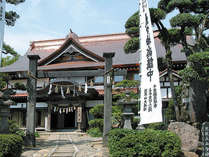
1. Daishinbo
Daishinbo is one of the historic shukubo located in Toge, Haguro-machi, Tsuruoka City, Yamagata Prefecture. Situated in the temple town of Mt. Haguro, it offers a traditional lodging environment serving as a pilgrimage base for Dewa Sanzan.
Backed by a long history as a pilgrim inn, it is well suited for travelers seeking Shugendo-related culture and the solemn atmosphere unique to the Toge district. Located along the shukubo street of Toge, it is conveniently positioned for accessing the pilgrimage paths and related cultural sites of Mt. Haguro.
Accommodation rates for Daishinbo require verification (listed on the booking page) and vary depending on the number of guests and the selected plan. For those wishing to deeply experience the historic culture of Dewa Sanzan within the authentic ambiance of a traditional shukubo, this stands as a top accommodation choice.
Note: This booking page is in Japanese only.
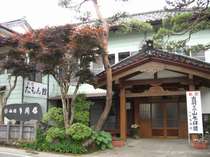
2. Ryokan Tamonkan
Ryokan Tamonkan is a lodging facility located in Toge, Haguro-machi, Tsuruoka City, Yamagata Prefecture, that has welcomed Dewa Sanzan pilgrims since ancient times. It accommodates guests in the tranquil setting of the temple town.
With its location near pilgrimage trailheads such as Mt. Haguro Zuishinmon Gate, it offers an environment that makes travel convenient for pilgrimage-focused visitors. While preserving the traditions of a shukubo, it is fully equipped to welcome guests as a ryokan, making it a popular choice for travelers seeking an authentic Japanese-style lodging experience.
Accommodation rates for Ryokan Tamonkan require verification (listed on the booking page). It is an ideal lodging choice for those who wish to smoothly begin exploring the Mt. Haguro trail and worshipping during the early morning hours.
 Check Ryokan Tamonkan on Jalan.net
Note: This booking page is in Japanese only.
3. Gassan no Yado Kashiwaya
Gassan no Yado Kashiwaya is a shukubo lodging facility located in Toge, Haguro-machi, Tsuruoka City, Yamagata Prefecture. It functions as a welcoming base for pilgrim groups and independent travelers touring Dewa Sanzan.
Positioned along the shukubo street of the Toge district, it enables a stay closely aligned with the local faith culture. It is well suited for travelers looking for a serene base from which to experience the mountain worship traditions and surrounding nature of Dewa Sanzan.
Accommodation rates for Gassan no Yado Kashiwaya require verification (listed on the booking page). This facility is recommended for those who want to spend quiet time at the foot of Mt. Haguro while soaking in the spiritual energy of Dewa Sanzan.
 Check Gassan no Yado Kashiwaya on Jalan.net
Note: This booking page is in Japanese only.
4. Kyukamura Shonai-Haguro
Kyukamura Shonai-Haguro is a resort-style accommodation facility located on the Haguro Plateau in Toge, Haguro-machi, Tsuruoka City, Yamagata Prefecture. Surrounded by vast natural landscapes, it caters to a wide range of guests traveling for sightseeing and relaxation.
Distinct from the traditional townscape of shukubo, it features an open and spacious plateau setting. In addition to serving as a sightseeing base for Dewa Sanzan, it can also be utilized as a hub for exploring the Shonai Plain and Mt. Gassan. It provides peace of mind for travelers who prioritize the amenities and layout of modern resort facilities.
Accommodation rates for Kyukamura Shonai-Haguro require verification (listed on the booking page). It is well suited for those who prefer staying in a fully equipped standard resort hotel format rather than a traditional shukubo setting.
 Check Kyukamura Shonai-Haguro on Jalan.net
Note: This booking page is in Japanese only.
Benefits of Staying at a Dewa Sanzan Shukubo or Lodging
Staying at a shukubo or accommodation around Dewa Sanzan offers distinct advantages that differ from staying at standard tourist hotels.
- Ability to begin worship and walks early in the morning
By staying in the Toge district of Mt. Haguro, you can visit the Mt. Haguro Five-Story Pagoda and the cedar-lined approach early in the morning when there are few tourists. Experiencing serene worship in the clear morning air is the greatest advantage of staying locally.
- Direct contact with mountain worship history and ancient Japanese lifestyle culture
At a shukubo, you can directly experience spaces housing altars for deities and Buddhas, as well as traditional architectural styles handed down through generations. Spending time on tatami mats and practicing proper etiquette makes for a stay where you can learn Japanese spiritual culture with all five senses.
- Opportunities to experience regional culinary heritage
Many shukubo prepare shojin ryori centered on regional mountain vegetables and dried ingredients. You can savor the culinary wisdom unique to Dewa Sanzan that has been preserved alongside religious faith.
- An efficient transportation base for exploring Dewa Sanzan
With convenient access to travel routes leading to Sanjin Gosaiden at the Mt. Haguro summit, as well as Mt. Gassan and Mt. Yudono, these lodgings serve as efficient hubs for visiting sacred sites scattered across the wider region.
Drawbacks and Important Considerations
Staying at a shukubo entails unique considerations. It is important to understand and prepare for them in advance.
- Facilities may differ from modern hotel specifications
In traditional shukubo architecture, room soundproofing, air conditioning, and shared washrooms and toilets may have different structural specifications compared to modern hotels. If private ensuite facilities are important to you, be sure to carefully review plan details and facility guides prior to booking.
- House rules such as curfews and meal times tend to be strict
Because shukubo function as religious facilities, set times for dinner, bathing, nighttime curfews, and early morning schedules are common. Late-night outings or irregular activities may be restricted, making it necessary to understand house rules beforehand and align your itinerary accordingly.
- Amenities and services may be limited
Some plans or facilities do not include amenities such as towels, toothbrushes, or sleepwear in the room rate. It is advisable to bring necessary personal supplies or check their availability when booking.
Recommended For
The ideal accommodation in the Dewa Sanzan area varies distinctly depending on the traveler's purpose and preferred travel style. Choosing in accordance with your travel style is key to maximizing your satisfaction.
Those wishing to deeply experience traditional Japanese spiritual culture and shukubo lifestyle
For those who wish to directly experience the history of mountain worship nurtured by Dewa Sanzan and feel the atmosphere of the monzen-machi firsthand, lodgings that strongly retain the traditional shukubo ambiance are ideal. Choosing an inn along the shukubo street of the Toge district allows you to spend quiet time reflecting on yourself while feeling the sacred atmosphere and majestic cedar groves that surround you.
Spending time in a room featuring sacred altars and embracing a minimalist Japanese way of living provides a rare cross-cultural experience unavailable in modern urban areas. For travelers who want to feel the living breath of local faith within historic architecture, this type of traditional shukubo is the most fitting choice.
Note: This booking page is in Japanese only.
Those who want to stroll the Mt. Haguro approach early in the morning and proceed efficiently with their pilgrimage
For active pilgrims who want to walk the Mt. Haguro Five-Story Pagoda and long stone staircase trail on foot and worship in the refreshing early morning air, lodgings in the monzen-machi near the trail entrance are best. Avoiding daytime crowds and rising temperatures to walk among giant trees in the morning tranquility is an itinerary made possible specifically by staying in the temple town.
Because transit time required for worship is kept to a minimum, it is also easier to plan further trips toward Mt. Gassan and Mt. Yudono after visiting Sanjin Gosaiden at the Mt. Haguro summit. For travelers looking to efficiently cover the main spots of Dewa Sanzan within limited days, a location near the approach provides great convenience.
Check Ryokan Tamonkan on Jalan.net
Note: This booking page is in Japanese only.
Those who want to calm their minds in a quiet environment and immerse themselves in the pilgrimage's lingering atmosphere
For those who wish to step away from tourist hustle and rest within the gentle flow of time at the foot of the mountain, a tranquil shukubo facility is a perfect match. Spending time listening to the sounds of nature in an unadorned, sincere setting is ideal for soothing daily fatigue and travel weariness.
After completing mountain climbs and long-distance travel around Dewa Sanzan, you can organize your travel memories in a quiet inn and gather energy for the next day's itinerary. For those who prioritize a restful environment above all else, the quiet lodgings of the Toge district are a reliable choice.
Check Gassan no Yado Kashiwaya on Jalan.net
Note: This booking page is in Japanese only.
Those who value modern hotel amenities and a comfortable stay in natural surroundings
For families or travelers who are unfamiliar with tatami-mat shared spaces and traditional shukubo etiquette, or who prefer modern functional private amenities, resort-style facilities in the plateau area are most suitable.
Within expansive grounds and open scenic views, you can relax with the same comfort as a standard hotel. For travelers who want to enjoy Dewa Sanzan sightseeing and regional driving at their own pace without worrying about strict shukubo rules, this serves as a stress-free and comfortable lodging base.
Check Kyukamura Shonai-Haguro on Jalan.net
Note: This booking page is in Japanese only.
Frequently Asked Questions (FAQ)
Q. Is participation in religious rituals or special etiquette mandatory when staying at a shukubo?
A. When using general lodging plans, participation in religious rituals is basically never mandatory. However, because shukubo are centers of religious faith, guests are expected to maintain quiet and behave respectfully around areas where deities and Buddhas are enshrined. Some facilities hold morning services, but whether participation is optional or requires advance reservation varies by property. Please verify detailed information with each facility at the time of booking.
Q. Is shukubo shojin ryori vegetarian- and vegan-friendly?
A. Shojin ryori is fundamentally prepared without meat or fish, using vegetables, soy products, seaweed, and mushrooms as main ingredients. However, traditional soup stocks (dashi) may sometimes include bonito flakes, and eggs or dairy products might be present in certain dishes. Travelers who require strict vegan meals or have specific dietary restrictions are advised to consult directly with the facility upon booking to confirm if accommodations can be made.
Q. Is it difficult for international travelers to stay at a shukubo?
A. Many shukubo welcome international travelers. However, some smaller shukubo do not have dedicated English-speaking staff on site. Having a prior understanding of basic Japanese lifestyle customs—such as removing shoes at the entrance, sitting on tatami mats, laying out and putting away futons, and using shared spaces—will help ensure a smooth stay. Please check the booking page for details regarding language support and facility guidance.
Q. How do I access the Mt. Haguro shukubo area from airports or major train stations?
A. Key rail hubs include JR Shinjo Station (the terminus of the Yamagata Shinkansen) and JR Tsuruoka Station (served by limited express trains via the Joetsu Shinkansen Niigata Station). If arriving via Shonai Airport, take the airport limousine bus toward Tsuruoka Station. From JR Tsuruoka Station, local buses (Shonai Kotsu) operate toward Mt. Haguro, providing direct access to the Toge shukubo area, Mt. Haguro Zuishinmon Gate, and the Mt. Haguro summit. Because bus frequencies are limited during certain hours, it is important to check timetables in advance when building your itinerary.
Summary
The quality of your stay in Dewa Sanzan and Mt. Haguro changes significantly depending on the accommodation you choose. Whether you immerse yourself deeply in mountain worship traditions and ancient Japanese lifestyle culture at a historic shukubo in the Toge district, or seek comfortable amenities and expansive nature at a Haguro Plateau resort facility, clarifying your travel purpose is the quickest route to a satisfying stay.
To enrich your journey through the sacred nature and history of Dewa Sanzan, check property details and the latest room availability on the booking pages, and secure your ideal lodging.
Quick Comparison of Dewa Sanzan Shukubo and Lodgings
The detailed comparison is as follows:
| Property | Price | Reviews | Site |
|---|---|---|---|
 Daishinbo (大進坊)
|
Check price on booking page | No reviews | Jalan.net |
|
Kyukamura Shonai-Haguro (休暇村 庄内羽黒)
|
Check price on booking page | No reviews | Jalan.net |
|
Ryokan Tamonkan (旅館 多聞館)
|
Check price on booking page | No reviews | Jalan.net |
|
Gassan no Yado Kashiwaya (月山の宿 かしわや)
|
Check price on booking page | No reviews | Jalan.net |
※The listed content reflects data from partner services at the time of article creation. Prices and room availability are subject to change, so please verify the latest information on the linked pages.