When looking for a place to stay in Mount Koya (Koyasan), understanding the features of each shukubo (temple lodging) and how to spend your time there—beyond just room rates and photo atmospheres—ensures a comfortable stay. Knowing in advance about key characteristics such as meal times, curfews, and heating facilities, while keeping in mind how they differ from standard city hotels and hot spring ryokans, provides peace of mind. In particular, shojin ryori (Buddhist vegetarian cuisine), a quintessentially Koyasan experience, varies significantly from temple to temple in terms of the number of dishes served, the serving style, and accommodation for dietary restrictions or allergies.
Choosing solely based on low prices can lead to issues such as dinner being served too early, disrupting your sightseeing itinerary, or the meal not matching your expectations. Shukubo in Mount Koya are not merely accommodations; they are active religious centers where monks currently undergo training and perform daily rituals. It is essential to select a temple lodging that suits the purpose of your trip while accurately understanding the standards of its facilities and services.
Basics of Koyasan Shukubo and Shojin Ryori
Shukubo originally refers to temple lodging facilities prepared for monks and pilgrims. Over its long history, these lodgings began welcoming general travelers as well, and as of 2026, they serve as hubs visited by many pilgrims and tourists from both Japan and abroad.
One of the greatest attractions of staying at a shukubo is shojin ryori, which is based on Buddhist precepts. Shojin ryori does not use any meat or seafood, but is prepared solely with plant-based ingredients such as soy products, vegetables, seaweed, and mushrooms. Furthermore, as a general rule, pungent root vegetables known as the "Five Pungent Roots" (gokun)—such as green onions, garlic, Chinese chives, rakkyo (Chinese scallions), and chives—are not used.
Koyasan's shojin ryori skillfully incorporates traditional preserved and processed foods such as Koya-dofu (freeze-dried tofu) and Goma-dofu (sesame tofu), and is prepared with an emphasis on the harmony of the five flavors (sweet, spicy, sour, bitter, salty), five colors (red, green/blue, yellow, black, white), and five methods (raw, simmered, grilled, fried, steamed). Its simple and delicate flavors, which maximize the natural tastes of the ingredients, can also serve as an opportunity to reflect on one's everyday dietary habits.
Experiences in the Mount Koya Area
Located on a mountaintop, Mount Koya is dotted with precious structures and historical sites that have been preserved as a sacred site of Shingon Esoteric Buddhism. Here are representative attractions that you can visit while staying at a shukubo.
Sohonzan Kongobuji Temple
This is the head temple of Koyasan Shingon Buddhism, where you can tour the expansive main hall. The large-scale rock garden, "Banryutei," is a famous sight depicting a pair of dragons facing each other amidst a sea of clouds to protect the inner sanctuary, expressed through stones and sand. Magnificent sliding screen paintings by the Kano school are also preserved here, allowing visitors to quietly appreciate the seasonal scenes and the serenity of the dry landscape garden.
Danjo Garan
This is the fundamental training center of Shingon Esoteric Buddhism, where Kobo Daishi Kukai first erected various halls when founding Mount Koya. The soaring, vermilion-lacquered "Konpon Daito" (Great Pagoda) is a symbol of the mountain; inside the hall, the principal image of the Womb Realm Dainichi Nyorai and other Buddhist statues are enshrined, allowing you to view the world of a three-dimensional mandala up close. Together with the "Kondo" (Main Hall), it conveys the profound presence of esoteric Buddhist architecture to the present day.
Okunoin
Okunoin is the most sacred site in Mount Koya, centered around the mausoleum where Kobo Daishi Kukai is believed to have entered eternal meditation. Along the approach leading to the mausoleum, ancient cedar groves thrive, and numerous memorial towers and gravestones for historical warlords and prominent figures stand in rows. The daytime path, with sunlight filtering through the trees, is filled with a solemn atmosphere.
Koyasan Okunoin Night Tour
This is an experiential program conducted during the time between after dinner and before bedtime. Accompanied by a qualified local guide, you walk along the Okunoin approach enveloped in the silence of the night. In a mystical atmosphere distinct from the daytime, you can learn in detail about the legends surrounding Kobo Daishi and the history of Shingon Esoteric Buddhism.
Criteria for Choosing a Shukubo and Shojin Ryori
There are numerous shukubo in Mount Koya, each possessing distinct characteristics. To enhance the satisfaction of your stay, please compare and consider them based on the following criteria.
1. Number of Shojin Ryori Dishes and Dining Style
Shojin ryori is typically served on traditional lacquered dining trays called "ozen." The content varies depending on the accommodation plan, ranging from simple meals consisting of just a primary tray (ichi-no-zen) to luxurious courses that include secondary (ni-no-zen) and tertiary trays (san-no-zen). Additionally, whether meals are served in individual guest rooms (room dining) or in a hall/dining room together with other guests varies by shukubo. If you prioritize private time, it is important to confirm the serving style in the plan details at the time of booking.
2. Location and Transportation for Sightseeing
Getting around Mount Koya is primarily done on foot or by local bus. Shukubo located near the entrance to the Okunoin approach are convenient for early morning worship and evening strolls. On the other hand, shukubo located near Danjo Garan or Kongobuji Temple have the advantage of making daytime visits to various halls more efficient. Smooth travel is assured if you understand the bus access route from the station bus stop in advance after transferring between trains and the cable car from Kansai International Airport or Nankai Electric Railway's Namba Station to reach Koyasan Station.
3. Availability of Morning Services and Activity Programs
Many shukubo hold religious experiences such as early morning services in the main hall (morning chanting and worship), Goma fire rituals, Ajikan meditation, and shakyo (sutra copying). While many temples make participation optional, the starting times and content are determined by each shukubo. Please check the official booking page of each facility in advance for experience details, required time, and supported languages.
4 Recommended Shukubo
Here are real shukubo in Mount Koya where you can experience shojin ryori. Please note that accommodation rates fluctuate depending on the season, room type, and meal plan, so please check the booking page for the latest and accurate prices.
For those who want to savor traditional shojin ryori in a quiet environment: Daienin
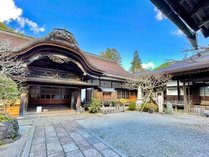
For those who wish to spend a calm time in a serene environment and thoroughly savor traditional Buddhist cuisine, Koyasan Bekkaku Honzan Shukubo Daienin is well-suited.
Shukubo Daienin is a facility that welcomes guests within the grounds of a historic temple. The shojin ryori served here is made using seasonal vegetables and processed soy products, prepared with cooking methods that bring out the natural flavors of the ingredients. It is also well-located for access to sightseeing spots on the mountain, functioning well as a base for daytime temple visits. Pricing details can be checked on the booking page, so please choose a plan that matches your itinerary.
Check availability on Agoda (multi-language booking) →
 Check Koyasan Bekkaku Honzan Shukubo Daienin on Jalan.net
Note: This booking page is in Japanese only.
For those who want to stay in the solemn space of a traditional temple: Muryokoin
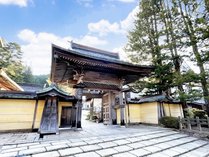
For those who wish to experience the atmosphere of Buddhist practice within the temple's authentic, austere setting and quietly partake in shojin ryori, Muryokoin is a great fit.
Muryokoin is a shukubo that welcomes pilgrims within traditional Koyasan temple architecture. Away from daily hustle and bustle, the shojin ryori served in a space enveloped in silence is composed with an awareness of the harmony of the five flavors and five colors. It provides an environment where you can feel the atmosphere of temple life up close, including morning services in the main hall. Accurate accommodation rates and reception conditions are listed on the booking page.
Check availability on Agoda (multi-language booking) →
 Check Koyasan Shukubo Muryokoin on Jalan.net
Note: This booking page is in Japanese only.
For those prioritizing night walks in Okunoin and activities: Ekoin
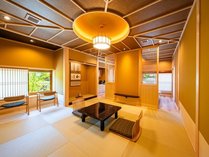
For those who prioritize exploring the area around the Okunoin approach and participating in various experiential programs, seeking an active stay, Ekoin is well-suited.
Ekoin is located very close to Ichinohashi Bridge at Okunoin, making it a convenient shukubo for visiting and touring the surrounding area. The shojin ryori served here is also an authentic composition prepared without meat or seafood. It boasts location conditions that make it easy to use as a base for travelers planning night walks in Okunoin and other activities. Please check the booking page for accommodation costs and detailed information for each plan.
Check availability on Agoda (multi-language booking) →
 Check Koyasan Shukubo Ekoin on Jalan.net
Note: This booking page is in Japanese only.
For those who want to soothe travel fatigue with bathing facilities: Fukuchiin
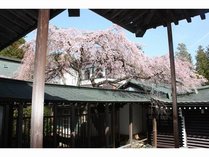
For those who wish to soak leisurely in a hot spring after finishing visits on the mountain and warm their bodies before enjoying a meal, Fukuchiin is suitable.
Koyasan Onsen Fukuchiin is a shukubo equipped with onsen (hot spring) bathing facilities, which are rare on the mountain. Soothing your body in the bath after walking around and enjoying shojin ryori afterward brings an exceptional experience. It is an accommodation widely considered by travelers who wish to combine the ambiance of a historic temple with the comfort of bathing. Accommodation rates and available plans can be checked on the booking page.
Check availability on Agoda (multi-language booking) →
 Check Koyasan Onsen Fukuchiin on Jalan.net
Note: This booking page is in Japanese only.
Benefits of Staying at a Shukubo in Mount Koya
A shukubo stay offers unique advantages not found in standard commercial hotels.
- Experience Japan's ancient food culture free of animal products through traditional shojin ryori.
- Participate in early morning temple services and sutra chanting in the main hall to connect with the daily life of the religious city of Mount Koya.
- Savor the silence of hours when few tourists are around by spending the night and early morning within the temple grounds.
Drawbacks, Important Notes, and Advance Precautions
Shukubo have distinct rules and lifestyles that differ from hotels. Understanding these points in advance helps prevent troubles.
The point requiring the most attention is the strictness of meal times and curfews. Because shojin ryori is not prepared in advance but served freshly made, designated evening meal start times are strictly established. Since dinner may not be served if check-in is late, please plan your itinerary with plenty of margin for your arrival time in Mount Koya.
Additionally, because many temples are historic wooden structures, sound insulation between guest rooms may not be as high as in modern hotels. Consideration is required to spend time quietly at night, being mindful of footsteps and speaking voices. During winter (around November to April), the temperature in Mount Koya drops significantly lower than in flat areas, and days below freezing are not uncommon. Cold-weather measures inside guest rooms and warm clothing preparations are necessary.
Recommended For
The optimal type of shukubo varies depending on travelers' objectives and preferences.
Those interested in traditional Japanese food and healthy meals
For those interested in a healthy diet centered on vegetables and legumes, as well as vegetarian and vegan travelers, shukubo that serve traditional shojin ryori in a calm environment are ideal. Dishes that carefully bring out the flavors of the ingredients will become memorable experiences of your trip.
Check availability on Agoda (multi-language booking) →
Check Koyasan Bekkaku Honzan Shukubo Daienin on Jalan.net
Note: This booking page is in Japanese only.
Those seeking spiritual refreshment in a solemn temple space
For those who wish to step away from the bustle of secular life and face themselves in tranquility, shukubo that strongly retain the atmosphere of authentic temple practice are well-suited. By participating in morning services, you can start the day with a focused mind.
Check availability on Agoda (multi-language booking) →
Check Koyasan Shukubo Muryokoin on Jalan.net
Note: This booking page is in Japanese only.
Those who want to efficiently enjoy visiting Okunoin and surrounding sightseeing
For those who want to actively explore the sacred Okunoin and tour historical sites on the mountain, shukubo in accessible locations near the approach entrance are optimal. Because morning and evening travel times can be shortened, you can make effective use of your limited stay.
Check availability on Agoda (multi-language booking) →
Check Koyasan Shukubo Ekoin on Jalan.net
Note: This booking page is in Japanese only.
Those who want to thoroughly rest their body with a bath after sightseeing
For those who want to relieve fatigue by soaking in a pleasant bath after walking the mountain paths for long hours, shukubo with hot spring facilities are a great match. You can spend a luxurious time enjoying shojin ryori after relaxing in the warm water.
Check availability on Agoda (multi-language booking) →
Check Koyasan Onsen Fukuchiin on Jalan.net
Note: This booking page is in Japanese only.
Frequently Asked Questions (FAQ)
Q. Is shojin ryori fully compatible with vegetarian and vegan diets?
A. Basically, Koyasan's shojin ryori is made exclusively with plant-based foods without meat or seafood, meeting standard vegetarian and vegan criteria. However, policies may differ depending on the facility and individual preparation methods regarding whether soup stock (dashi) contains animal ingredients like bonito flakes, or whether secondary ingredients such as eggs, dairy products, or honey are included. If you require strictly vegan meals or have severe allergies (to primary shojin ryori ingredients such as soy, wheat, or sesame), please confirm ingredient details directly with the temple via the booking notes or an inquiry prior to arrival.
Q. What is the access route and required time from Kansai International Airport to Mount Koya?
A. From Kansai International Airport, first take trains such as the Nankai Electric Railway toward major terminals like "Namba Station" or "Shin-Imamiya Station." From there, transfer to a limited express or rapid express on the Nankai Koya Line to the terminus, "Gokurakubashi Station," and transfer to the Nankai Koyasan Cable Car from Gokurakubashi Station to ascend to "Koyasan Station." From Koyasan Station, local buses run to various destinations on the mountain. For the entire journey from the airport, it is common to allow ample travel time including transfers. If you are unfamiliar with purchasing tickets or transferring, please plan your travel with extra time to spare.
Q. What are the rules regarding clothing, what to bring, and tattoos in the baths at shukubo?
A. Inside shukubo facilities, many places allow you to spend time in provided yukata or samue (work robes), but when participating in morning services held in the main hall, clean clothing that covers the skin (such as wearing socks) is often recommended. In addition, because Mount Koya is at a high elevation, mornings and evenings can get chilly even in summer. When visiting in spring, autumn, or winter, be sure to bring cold-weather gear or outerwear that can be layered. Rules regarding tattoos in communal baths vary by temple. To know whether you need to cover them with clothing/patches or if private bath arrangements are available, it is safest to check each facility's guidelines or inquire before booking.
Q. What are the temple curfews and morning schedules like?
A. Many shukubo have curfews where the main entrance is locked at night for security and temple ritual reasons. Since you cannot enter the building once the curfew has passed, always check the lock-up time when going out at night. Furthermore, the schedule the next morning starts early; the standard routine begins with early morning services in the main hall, followed by breakfast. Maintaining a regular daily rhythm without oversleeping is essential for a comfortable and pleasant shukubo stay.
Conclusion
A shukubo stay in Mount Koya goes beyond simple accommodation, serving as a valuable opportunity to connect with Japanese spiritual culture and the depth of traditional shojin ryori. Shojin ryori, prepared without meat or fish, is a wholesome and flavorful meal where the inherent taste of ingredients harmonizes with Buddhist teachings.
While daily rules such as dinner times, curfews, and morning service hours differ from standard hotels, this very discipline creates an extraordinary, memorable experience. Choose a shukubo that matches your purpose and travel schedule, and spend a peaceful time in Mount Koya in 2026. Because accommodation plans and room availability change daily, please check the latest information on each booking page and proceed with your reservation once your plans are set.
Koyasan Shukubo Quick Comparison
A detailed comparison is as follows.
| Property | Price | Reviews | Shop |
|---|---|---|---|
|
Koyasan Bekkaku Honzan Shukubo Daienin (高野山別格本山 宿坊 大円院 (和歌山県)...
|
Check rates on booking page | No reviews | Jalan.net |
|
Koyasan Shukubo Muryokoin (高野山 宿坊 無量光院 (和歌山県))
|
Check rates on booking page | No reviews | Jalan.net |
|
Koyasan Shukubo Ekoin (高野山 宿坊 恵光院 (和歌山県))
|
Check rates on booking page | No reviews | Jalan.net |
|
Koyasan Onsen Fukuchiin (高野山温泉 福智院 (和歌山県))
|
Check rates on booking page | No reviews | Jalan.net |
*The listed information is partner data as of the time of article generation. Prices and availability are subject to change, so please check the linked page for the latest information.