Mount Minobu Shukubo: A Temple Lodging Style Chosen for Modern Travel in Japan
In recent years, the accommodation styles of travelers visiting Japan have diversified rapidly. More travelers are no longer just staying in functional city hotels in major metropolises, but are seeking experiences that allow them to directly engage with the region's unique spiritual culture and traditions. Against this backdrop, options for shukubo—temple lodgings—have also transformed significantly. Beyond the traditional, simple spaces meant for pilgrims, facilities prepared with welcoming environments that modern travelers can easily use have begun to emerge.
With this widening range of choices, knowing the criteria for selection makes it easier to find the right accommodation for yourself. Shukubo differ from standard tourist hotels in their origins and rules of use. Understanding the stay style in advance allows you to enjoy a far more satisfying trip.
Located in Yamanashi Prefecture, Mount Minobu is an area renowned as a sacred Buddhist site with a long history. Staying at a shukubo in this tranquil mountain setting offers a valuable opportunity to feel Japan's profound spiritual culture firsthand. Identifying a facility that suits your travel purpose and transportation needs is the first step toward a fulfilling stay.
What Kind of Accommodation Is a Mount Minobu Shukubo?
A shukubo was originally a lodging base established for monks and pilgrims visiting temples. In Mount Minobu, numerous shukubo are scattered throughout the temple grounds and the surrounding temple town centered around Kuon-ji Temple, the head temple of the Nichiren sect.
What sets them apart from general hotels and ryokan is that they still function today as places of faith and religious practice. The buildings often feature Buddhist altars and prayer halls, allowing guests to spend time in an atmosphere close to the daily routine of a temple. There are no flashy entertainment facilities or excessive staging. Instead, there is a space focused primarily on quietly facing oneself and experiencing traditional Japanese living culture.
For international travelers visiting Japan, staying at a shukubo serves as a practical setting to experience the manners of traditional Japanese life. From the custom of removing shoes at the entrance to proper etiquette in tatami rooms, the values of Japanese culture are alive in every aspect of daily routine.
Things to Experience in the Mount Minobu Area
Here is a summary of representative sights and regional experiences in Mount Minobu to explore alongside your shukubo stay.
Minobusan Kuon-ji Temple
Minobusan Kuon-ji Temple is the head temple of the Nichiren sect, founded by Nichiren Shonin during the Kamakura period. The temple grounds feature magnificent main halls and reconstructed pagodas, and the steep stone stairway called "Bodaitei" leading from the Sanmon gate to the main hall has an overwhelming presence. In spring, ancient weeping cherry trees bloom in full glory, and the treasure hall displays valuable temple treasures designated as National Treasures and Important Cultural Properties.
Minobusan Ropeway
This ropeway connects the foothills station behind the Kuon-ji main hall to the summit of Mount Minobu. As you travel through the air across a significant elevation difference, panoramic views of the surrounding mountain ranges unfold dynamically. Upon reaching the observation deck at the summit, depending on weather conditions, a grand panorama extends across Mount Fuji, the Southern Alps mountain range, and even Suruga Bay.
Minobusan Okunoin Shishinkaku
Perched at the summit of Mount Minobu, Shishinkaku is a sacred site where Nichiren Shonin is said to have chanted sutras while remembering his distant parents and mentor in his hometown. On the grounds, the majestic "Giant Cedar of Minobusan Okunoin," traditionally said to have been planted by the saint himself, stands tall, offering a solemn worship experience amidst the deep tranquility of the mountain summit.
Mount Minobu Temple Town (Shonin-dori Shopping Street)
In the historic temple town stretching from Kuon-ji's Somon gate to the Sanmon gate, you can enjoy strolling through traditional, serene streetscapes. Restaurants serving dishes made with Minobu's traditional specialty, "Minobu Yuba" (tofu skin), and shops offering freshly steamed "Minobu Manju" with rising steam line the street, making it ideal for a stop during your walk.
Key Points for Choosing a Shukubo in Mount Minobu
1. Traditional Temple Style vs. Modern Convenience
The shukubo in Mount Minobu include facilities that preserve traditional hospitality methods from long ago, as well as facilities equipped with guidance and procedures tailored for modern travelers. Your direction in choosing a shukubo will depend on whether you want to savor the rustic atmosphere of Japanese temple architecture as it is, or expect amenities and information that are easy for international travelers to navigate.
2. Travel Routes to Kuon-ji Temple and the Temple Town, and Location Environment
Mount Minobu features terrain where temples and shukubo are scattered along mountain slopes. Some shukubo are within easy walking distance of Kuon-ji's Sanmon gate, the main hall, and the temple town shopping street, while others are situated on quieter mountainsides further in. If traveling with large luggage such as suitcases, it is crucial to check the distance from the nearest train station or bus stop and whether there are steep slopes before booking.
3. Services Included in Booking Plans and Meal Options
Shukubo accommodation plans vary in detail from facility to facility. Meal availability and the scope of activities you can experience are not uniform. Regarding meals in particular, some plans provide special formats such as Shojin Ryori (Buddhist vegetarian cuisine), while others are room-only without meals. It is necessary to examine the plan details in advance according to your itinerary and dietary requirements.
3 Recommended Shukubo in Mount Minobu
Here are three recommended shukubo in Mount Minobu, detailed according to the stay purposes and travel convenience of international visitors.
For Those Seeking Quiet Rest in Traditional Mountain Serenity: Myosekibo
Myosekibo is ideal for those who wish to spend a calm time surrounded by Mount Minobu's rich nature and living history of faith. Located within the sacred mountain grounds centered around Kuon-ji, it offers a peaceful atmosphere completely disconnected from urban hustle and bustle.
Spending time away from daily noise, enveloped by the rustling of trees and birdsong, is a luxury unique to a base of Japanese mountain worship. Details on plan availability and prices can be confirmed on the reservation page. This is a property to consider if you wish to savor the surrounding environment thoroughly during your stay.
 Check Shukubo Myosekibo on Jalan.net
Note: This booking page is in Japanese only.
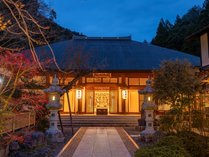
For First-Time Shukubo Guests Seeking Comfort and Clear Guidance: Temple Hotel Shimabo
Temple Hotel Shimabo is suitable for those experiencing a shukubo stay in Japan for the first time who may feel uncertain about booking and stay procedures. While grounded in its history as a traditional temple, it provides accommodation services designed to be easy for both domestic and international travelers to stay.
While maintaining the solemn atmosphere unique to a temple, it provides a hospitality framework where travelers can spend their time without inconvenience. For travelers wanting to feel the charm of historic architecture while proceeding smoothly with stay procedures, this is a strong candidate. Pricing and available plan details can be checked on the reservation page.
 Check Temple Hotel Shimabo on Jalan.net
Note: This booking page is in Japanese only.
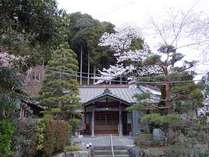
For Those Looking for a Base to Stroll the Temple Town and Surrounding Pilgrimage Sites: Yamamotobo
Yamamotobo is fitting for travelers who want to touch Mount Minobu's religious culture while efficiently exploring Kuon-ji Temple and the various spots of the temple town. As one of the shukubo that has welcomed pilgrims visiting Mount Minobu since ancient times, it possesses a calm appearance that evokes the weight of history.
For travelers planning to stroll the temple town for local specialties and visit the Kuon-ji temple grounds, its easily accessible location as a travel hub is a major attraction. In an honest environment free of excessive ornamentation, you can immerse yourself in traditional Japanese travel sentiment. Accommodation rates and available booking periods can be checked on the reservation page.
 Check Shukubo Yamamotobo on Jalan.net
Note: This booking page is in Japanese only.
Benefits of Staying at a Mount Minobu Shukubo
Staying at a shukubo in Mount Minobu holds numerous deep appeals that set it apart from standard tourist hotels.
The greatest advantage is being able to experience the tranquility and pure air of this sacred Buddhist site, preserved across many centuries, seamlessly from morning to night. A day trip does not allow you to experience the atmosphere of the quieted temple grounds after tourists leave at dusk, or the sound of the bell echoing in the clear dawn air. From evening when dusk settles over the mountains and only birdsong echoes, to the solemn darkness of night, and the early morning mountain ranges shrouded in morning mist, having the changing expressions of the sacred mountain all to yourself as time passes is a privilege exclusive to overnight guests.
By spending time with your shoes off on tatami mats and placing yourself in a space stripped of unnecessary ornamentation, you can reset your mind and body fatigued by travel. Everything you see and hear is gentle, allowing you to naturally feel your breathing deepen.
Furthermore, staying in the heart of the temple town or near Kuon-ji allows you to experience locally rooted culture and food traditions at the shortest distance. Tasting dishes made with the specialty Minobu Yuba and rustic Japanese sweets, and walking along historic stone pavements and approach paths, provides an opportunity to directly appreciate the beauty of life preserved by Japan's regional towns.
It is sure to leave deep travel memories connecting with the spiritual foundation of Japanese culture, something never obtainable at big city hotels.
Disadvantages and Precautions for Staying
To ensure a comfortable stay at a shukubo, there are specific points to be aware of in advance.
The most important consideration is that curfews and lights-out times are often set earlier compared to standard hotels. Temple mornings start early, and quiet must be maintained during the night. It is not suitable for styles of travel that involve staying out late visiting dining spots and bars.
Additionally, because many are historic wooden structures, sounds tend to echo easily within the rooms. Consideration is required regarding loud conversations and nighttime noise. Furthermore, when using bathing facilities like large public baths, guests with tattoos must pay attention to each facility's rules. Because there may be restrictions on skin exposure for cultural reasons, it is safe to cover them with tattoo stickers or check the terms of use in advance.
Due to the building structures, having to go up and down stairs frequently is another point to consider. When carrying heavy suitcases, it is necessary to plan your movement without overexertion.
Who Mount Minobu Shukubo Are Recommended For
Here is an overview of which shukubo is suitable according to traveler interests and travel styles.
Those Who Want to Thoroughly Savor Japanese Temple Culture and Silence
For those who wish to step away from city clamor and calm their minds within a historic sacred site, a shukubo blended into the mountain nature is suitable. It is well-suited for travelers who find value in quiet hours spent reading or lost in thought.
Check Shukubo Myosekibo on Jalan.net
Note: This booking page is in Japanese only.
First-Time Shukubo Visitors Who Prioritize Peace of Mind
Those who want to experience a temple atmosphere while prioritizing clear stay procedures and comfort can have a pleasant stay by choosing a shukubo with guidance tailored for modern travelers. You can experience the positive aspects of Japanese culture without unnecessary tension.
Check Temple Hotel Shimabo on Jalan.net
Note: This booking page is in Japanese only.
Those Who Want to Actively Enjoy Strolling the Temple Town and Historical Sites
For those who want to fully enjoy walking around the Kuon-ji grounds and the shopping street of the temple town, savoring famous yuba cuisine and historical views, a shukubo that is convenient to use as a pilgrimage base is recommended.
Check Shukubo Yamamotobo on Jalan.net
Note: This booking page is in Japanese only.
Frequently Asked Questions (FAQ)
Q1. Can I stay at a shukubo even if I am not a Buddhist follower?
Most facilities accept guests even if they are not followers of a specific religious sect. General travelers are welcomed regardless of nationality or religion, but it is important to stay while observing manners and respecting the sacred nature of the temple.
Q2. Is English support available, and can I pay with an internationally issued credit card?
Support conditions vary widely depending on the facility. Some shukubo provide foreign language information, while others operate in Japanese only. Regarding payment methods, some places recommend cash payment, so it is necessary to check payment methods and supported languages on the reservation page at the time of booking.
Q3. How do I access Mount Minobu from Narita Airport or Haneda Airport?
The standard route is to travel from each airport to major terminal stations in central Tokyo (such as Shinjuku Station or Tokyo Station), take a JR Chuo Line limited express train toward Kofu, and transfer to the JR Minobu Line to reach Minobu Station. The entire trip from the airports takes around several hours. From Minobu Station, access the Mount Minobu area using local buses or taxis.
Q4. What is the general price range for accommodations?
Rates vary depending on whether the stay is room-only or includes meals, as well as room size and season. Details regarding accommodation rates can be confirmed on the reservation page.
Make Your Japan Stay Unforgettable with a Mount Minobu Shukubo Booking
Time spent at a Mount Minobu shukubo becomes a precious lodging experience where you can take in Japan's rich history and spiritual culture with all five senses.
Gazing up at the magnificent temple structures of Kuon-ji, admiring Mount Fuji and the surrounding mountains from the ropeway, and savoring yuba dishes in the temple town create scenes and memories that cannot be experienced elsewhere.
The number of guests each shukubo can accommodate is limited. Once your desired dates are decided, it is wise to check the latest plans and room availability for each facility and complete your booking. Achieve a truly soul-cleansing, wonderful stay in Japan amid the tranquility of this sacred mountain, away from the everyday routine.
Quick Comparison of 3 Selected Shukubo in Mount Minobu
Below is a comparison of representative shukubo to consider for your stay in Mount Minobu.
| Item | Price | Reviews | Shop |
|---|---|---|---|
|
Shukubo Myosekibo (宿坊 妙石坊 (山梨県))
|
Check price on reservation page | No reviews | Jalan.net |
|
Temple Hotel Shimabo (Temple Hotel 志摩房 (山梨県))
|
Check price on reservation page | No reviews | Jalan.net |
|
Shukubo Yamamotobo (宿坊 山本坊 (山梨県))
|
Check price on reservation page | No reviews | Jalan.net |
*The listed details are affiliate partner data at the time of article generation. Prices and room availability fluctuate, so please check the latest information on the linked pages.