As traveling with the primary goal of accommodation itself gains popularity, staying at a temple lodging (shukubo) is attracting particular attention. While these facilities once had a strong image of being strictly for monk training or devout pilgrims, they have now established environments that flexibly welcome diverse travelers from both Japan and abroad. Here, we organize the criteria and key points for your stay to help with your 2026 travel planning.
Overview of Shukubo Stays in Koyasan
Koyasan (Mount Koya) is a sacred site of Shingon Esoteric Buddhism located atop a mountain in Wakayama Prefecture. It is a religious city spreading across a high-altitude plateau, with numerous temples throughout the entire town. Many of these temples function as shukubo that welcome worshippers and travelers, allowing guests to directly experience the spiritual atmosphere while staying on temple grounds.
A stay at a shukubo follows a flow of time somewhat different from standard hotels or ryokan inns. Spending time in tatami-mat rooms and observing set hours for meals and bathing offers an excellent opportunity to encounter traditional Japanese wisdom and spiritual culture.
Things to Experience in the Koyasan Area
When visiting Mount Koya, touring the historic sites scattered across the area alongside spending time at your shukubo is the essential way to enjoy your visit. Before choosing the temple lodging that will serve as your base, let's take a look at the places you can visit locally.
Okunoin
This is the most sacred site of Shingon Esoteric Buddhism, where Kobo Daishi (Kukai) is believed to have entered eternal meditation. Along the cedar-lined approach extending from Ichinohashi Bridge to the Mausoleum (Gobyo), hundreds of thousands of tombstones and memorial monuments stand, including those of famous historical figures.
View "Okunoin" plans and tickets on Klook →
Danjo Garan
Alongside Okunoin, this is one of Koyasan's two major sacred sites and the first complex built when Kukai founded Mount Koya. With the vivid vermilion Konpon Daito pagoda and the Kondo (Main Hall), you can experience the three-dimensional mandala world of Shingon Esoteric Buddhism.
View "Danjo Garan" plans and tickets on Klook →
Sohonzan Kongobuji
This is the head monastery of Koyasan Shingon Buddhism and the central temple of the entire mountain. Visitors can explore the grand hall featuring magnificent sliding screen paintings (fusuma-e) by Kano school painters and the Banryutei, one of the largest rock gardens in Japan.
View "Sohonzan Kongobuji" plans and tickets on Klook →
Koyasan Reihokan Museum
This facility preserves and displays an extensive collection of Buddhist art, including National Treasures and Important Cultural Properties handed down through the temples of Koyasan. You can view precious Buddhist statues, mandalas, and paintings up close and learn about Koyasan's 1,200-year history and culture.
Bookable Experience Plans
In addition to these, you can book the following experience plan on Activity Japan.
View "Touring Recommended Spots in Koyasan (Full-Day or Half-Day)" on Activity Japan →
How to Choose Your Stay and Important Factors
There are many shukubo in Koyasan, each differing in terms of amenities, hospitality readiness, and location. If you choose a place that does not match your travel style, you might experience unexpected inconveniences during your stay. Here are detailed comparison criteria to keep in mind for a comfortable stay.
Transportation and Accessibility from Bus Stops
Getting around Koyasan is mainly done on foot or by Nankai Bus. How close the lodging is to the nearest bus stop and how many minutes the bus ride takes from the station are primary points of consideration.
A shukubo located just a short, flat walk from a bus stop makes moving your luggage upon arrival and departure extremely easy. In addition, whether major pilgrimage sites like Danjo Garan and Kongobuji are within walking distance is also important. If you are in a location where you can easily stroll to famous sites on foot, you will have far greater freedom to walk around town during the quiet morning and evening hours without worrying too much about bus schedules.
Facility Amenities and Comfort Considerations
Shukubo historically developed as places for ascetic practice by monks and lodgings for pilgrims. For this reason, their facility specifications are unique compared to modern hotels.
In particular, internet connectivity is an essential element for international travelers researching trip information and staying in touch with family. If you choose a shukubo equipped with Wi-Fi in all guest rooms, you can gather information with peace of mind during your stay. Furthermore, accessibility features—such as wheelchair rentals and written communication support—are also important criteria depending on your travel companions' needs.
Checking Daily Schedules and Time Allocation
A major highlight of staying at a shukubo is participating in unique temple routines. Early morning prayer services (gongyo) and sutra copying (shakyo) provide precious moments rarely experienced in everyday life. However, the time slots and details of these activities vary by facility.
Morning services typically start early in the morning. If you plan to attend, it is important to carefully plan your bedtime the night before and your departure schedule the following morning. Additionally, a distinctive feature of shukubo is that public bath hours are often limited to the late afternoon and relatively early evening, with no morning baths available at many facilities. Be sure to check whether your evening routine and morning preparation schedule fit smoothly into your travel pace.
Because detailed rates and room availability may fluctuate, please check the official pages or booking links for the latest information when making a reservation.
3 Recommended Koyasan Shukubo Based on Comprehensive Evaluation
Below, we introduce recommended shukubo in order, taking into overall account ease of stay, location, and available experiences.
Top Pick for an Experience-Focused Stay: Daienin
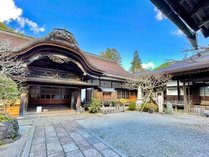
At Daienin, you can participate in shukubo experiences such as morning services starting at 6:00 AM and sutra copying. It is accessible by taking a bus from Nankai Koyasan Station for 13 minutes, getting off at Odawaradori bus stop, and walking 1 minute in the direction of the bus. Free parking is available right across from the lodging.
Guest rooms are private rooms ranging from 8 to 10 tatami mats. Gender-segregated shared baths and shared toilets are provided, with bath hours available from 17:00 to 22:00.
Please check the booking page for check-in and check-out times.
Check availability on Agoda (multi-language booking) →
 Check Koyasan Bekkaku Honzan Shukubo Daienin on Jalan.net
Note: This booking page is in Japanese only.
Hojoin
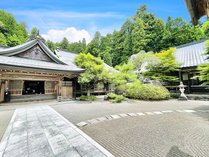
Located a 7-minute walk from Kongobuji, a 3-minute walk from Danjo Garan, and a 1-minute walk from the "Koyasan Koko-mae" bus stop. Free parking is also provided.
Non-smoking rooms are available within the facility, and free internet connection via wireless LAN is accessible in all rooms. Bath hours are from 16:00 to 21:00, and morning bathing is not available.
Check availability on Agoda (multi-language booking) →
 Check Koyasan Shukubo Hojoin on Jalan.net
Note: This booking page is in Japanese only.
Comprehensive Connectivity and Thoughtful Care: Muryokoin
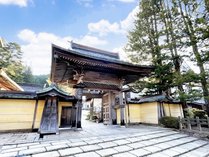
This temple is also known for its historical ties to Uesugi Kenshin and Oda Nobunaga. It is a 1-minute walk after getting off at Koya Keisatsu-mae via Nankai Bus from Koyasan Station. Free parking is also available.
Free wireless LAN internet access is available in all rooms. Accessibility features such as wheelchair rental and written communication assistance are provided. Bath hours are from 17:00 to 21:00, and morning bathing is not available.
Check availability on Agoda (multi-language booking) →
 Check Koyasan Shukubo Muryokoin on Jalan.net
Note: This booking page is in Japanese only.
Advantages of Staying at a Shukubo
Staying at a temple offers unique qualities not found in standard accommodations.
First, spending a night inside a historic building is itself a special cultural experience.
In addition, participating in the morning service allows you to observe monks chanting sutras and solemn rituals up close, which is a major attraction.
Furthermore, many shukubo are located very close to bus stops or within walking distance of major temples, making them highly functional bases for sightseeing.
Disadvantages and Precautions
There are several points you should keep in mind when staying at a shukubo.
Unlike standard hotels, bath hours end relatively early in the evening, and most facilities do not allow morning bathing. Arriving late might cause you to miss bath hours, so plan to check in during the early evening.
Also, because the buildings are traditional Japanese architecture, soundproofing and thermal insulation may not be as high as in modern concrete buildings.
How to Choose Based on Travel Style
Choose the most suitable accommodation based on your travel purpose and priorities.
For Those Who Want to Fully Enjoy Morning Activity Programs
Confirmed features at Koyasan Bekkaku Honzan Shukubo Daienin:
- Guest rooms are private rooms of 8 to 10 tatami mats, with gender-segregated shared baths and shared toilets
- Standard check-in is from 15:00, and check-out is by 10:00
Check availability on Agoda (multi-language booking) →
Check Koyasan Bekkaku Honzan Shukubo Daienin on Jalan.net
Note: This booking page is in Japanese only.
Koyasan Shukubo Hojoin
Confirmed features at Koyasan Shukubo Hojoin:
- Located a 7-minute walk from Kongobuji and a 3-minute walk from Danjo Garan
- Free parking available
- Standard check-in is from 15:00, and check-out is by 9:00
Check availability on Agoda (multi-language booking) →
Check Koyasan Shukubo Hojoin on Jalan.net
Note: This booking page is in Japanese only.
Koyasan Shukubo Muryokoin
Confirmed features at Koyasan Shukubo Muryokoin:
- A shukubo with historical connections to Uesugi Kenshin and Oda Nobunaga
- 1-minute walk after getting off at Koya Keisatsu-mae via Nankai Bus from Koyasan Station
- Free parking available
Check availability on Agoda (multi-language booking) →
Check Koyasan Shukubo Muryokoin on Jalan.net
Note: This booking page is in Japanese only.
Conclusion
A journey staying at a Koyasan shukubo offers a precious opportunity to feel Japan's traditional spiritual culture and architectural beauty firsthand. Participating in early morning prayer services and experiencing the tranquil temple grounds at night provide special moments that day trips simply cannot offer.
When selecting your accommodation, comprehensively comparing accessibility from bus stops, the availability of internet access, the contents of experience programs, and check-out times will be the key to maximizing your satisfaction.
Koyasan Shukubo Quick Comparison
| Accommodation | Confirmed Features | Booking Site |
|---|---|---|
|
Koyasan Bekkaku Honzan Shukubo Daienin (高野山別格本山 宿坊 大円院 (和歌山県))
|
Accessible via a 13-minute bus ride from Nankai Koyasan Station, getting off at Odawaradori bus stop, followed by a 1-minute walk in the direction of the bus / Free parking available right across from the lodging | Jalan.net |
|
Koyasan Shukubo Hojoin (高野山 宿坊 宝城院 (和歌山県))
|
Located a 7-minute walk from Kongobuji and a 3-minute walk from Danjo Garan / 1-minute walk from "Koyasan Koko-mae" bus stop | Jalan.net |
|
Koyasan Shukubo Muryokoin (高野山 宿坊 無量光院 (和歌山県))
|
1-minute walk after getting off at Koya Keisatsu-mae on the Nankai Bus from Koyasan Station / Free parking available | Jalan.net |
*The published content is partner data at the time of article creation. Prices and availability are subject to change, so please check the latest information via the links provided.